One-of-a-kind, fresh stock and consignment,
on your store screens
Every piece is unique and stock rotates weekly — a printed sign is out of date in days. The window shows today's drop and weekend finds. Inside, customers see authenticated premium pieces and the consignment service for bringing in their own. Change the window and prices from your phone every time new stock comes in.
Free first screen forever · No credit card · Offline 48 h
Friday drop · consignment service · authentication · -50% vs new
What you show on screen
from day one
Ready-made templates for the single-room thrift shop and the multi-section vintage store with a street-facing window. Zero design work, zero learning curve.
Window: today's drop
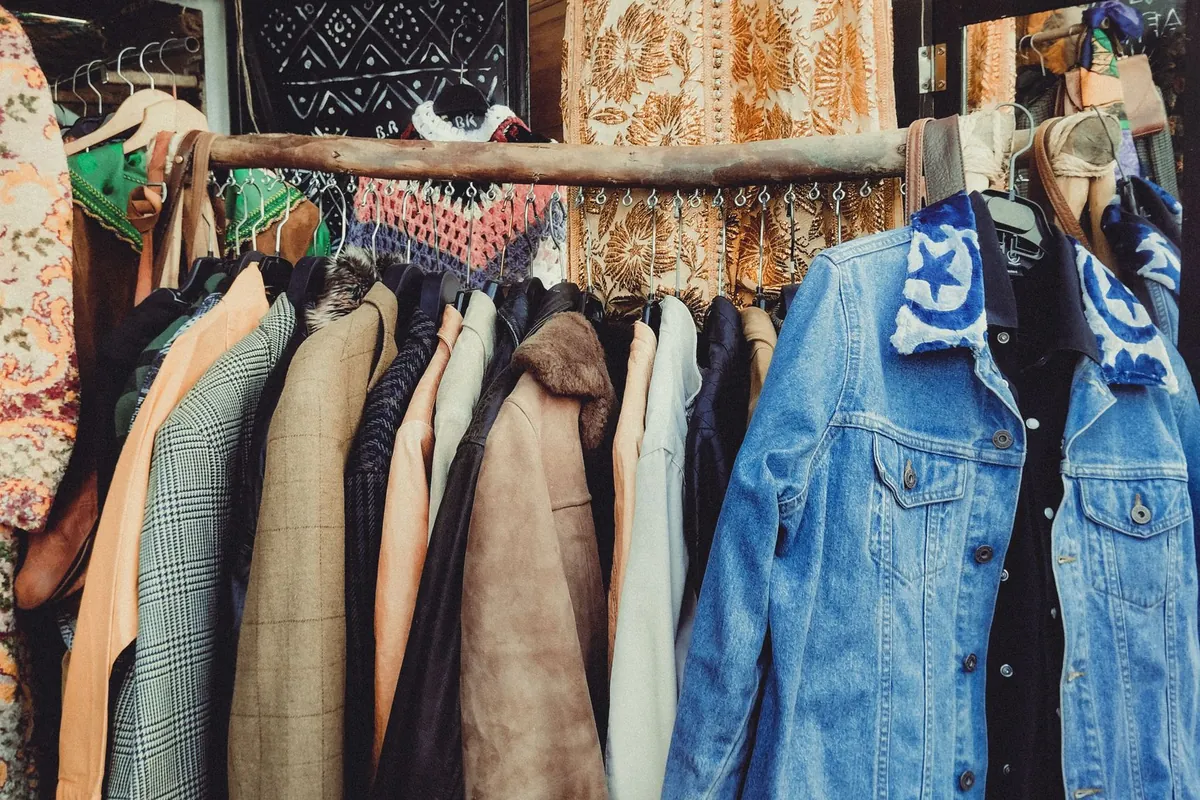
The window shows today's drop — the one-offs that rotate fast and bring people in. You update it from your phone the moment new stock hits the rail: a fresh batch of denim, a premium vintage coat, a Friday drop of accessories. No reprinting, no vinyl, no waiting for the print shop. The window is always what's actually in store today.
Fresh stock weekly by section
Rotate your in-store screen through sections as new stock lands: clothing, accessories, footwear, home, premium vintage. Customers spot the new arrivals from across the shop, find their section faster and spend more time browsing. You update each section in seconds — no design skills needed.
Consignment, authentication and repairs
A dedicated screen slot for your services: drop off and sell on consignment, premium authentication for designer pieces, home pickup for larger lots, light repairs and alterations. Customers who would never have asked at the counter now see the offer and enquire. You turn browsers into consignors and build a steady supply of quality stock.
Sustainability, social and loyalty
Show the savings vs buying new and the carbon footprint avoided — the numbers that make pre-loved a conscious choice, not a compromise. Feature standout pieces on your social feed to drive Instagram followers in-store. Run a loyalty programme and wishlist alerts so regulars come back the moment their size or style lands.
The plan your
store needs
Single-screen window display: Starter €9/month. Window + in-store section screen: Pro €19/month (3 screens, most popular). Multi-zone store or outlet: Business €59/month. Consignment chain or multi-location vintage group: Network €199/month. All plans include a 14-day trial with no credit card.
No card · Cancel anytime · See all plans
Where the screen goes
in the thrift store
A thrift store lives on the urgency of the unique piece and on sustainable value. Each screen works a part.
Today's intake window
The unique pieces that came in today. In second-hand, what comes in today may be gone tomorrow; showing the day's intake in the window creates the urgency that has the bargain hunter pass by every day to see what is new.
Stock by section
The week's new stock organised by section: womenswear, accessories, footwear, homeware. Ordering the ever-changing stock on screen helps the customer find theirs in a range that never stops rotating.
Services: consignment and authentication
The consignment (you bring your clothes and sell them), the authentication of pieces and the collection. Advertising consignment captures the one who wants to sell — how you get stock without buying it — and authentication gives confidence in pre-loved luxury.
Sustainability and socials
The real saving versus the new price and the carbon footprint avoided, plus your socials. Putting a number on the saving and the impact turns the second-hand purchase into a decision the customer tells with pride.
The unique piece creates the urgency,
consignment gives the stock
A thrift store lives on stock that rotates fast, on capturing the seller and on sustainable value. The screen works all three.
Today's unique piece creates the urgency to return. In second-hand there is no restock: the piece that comes in today may be gone tomorrow, and that scarcity is your best weapon. Showing the day's intake in the window creates the urgency that has the customer pass by every day to see what has come in, because they know that if they think too long, someone takes it. It is an effect no new-goods store has.
Consignment is stock you do not buy. The consignment — the customer brings their clothes and you sell them on commission — is how a thrift store gets stock without investing in buying it. Advertising consignment on screen captures the one who wants to sell their wardrobe, and every person who consigns is both supplier and customer. Authentication, too, gives the confidence pre-loved luxury needs to sell well.
Sustainability converts and gives pride. Buying second-hand saves money and avoids a carbon footprint, and putting a number on both converts. Showing the real saving versus the new price and the impact avoided means the customer not only buys cheaper, but takes home a decision they tell with pride. With an ever more conscious audience, that argument sells as much as the price.
To be straight with you: we do not integrate with your POS or manage the variable stock automatically; in second-hand the inventory changes constantly and you keep it. The screen shows the day's intake, the sections, the consignment and the sustainable argument you upload, and you change it from your phone. Digisini is the screen layer that creates the urgency and captures the consignment.
Say it first,
or they find it at home
In a second-hand shop no two items are the same: each one arrives with its own history, and that history is part of what it is worth.
With nothing written down, the customer works out the discount alone — and always downwards. If they cannot tell whether that scuff on the corner was already there or they just made it, they deduct the whole thing. A catalogue photo does not help here, because the catalogue one is not this one: this is the only one you have, with its own mark and its own seam. What is missing is not a better photo, it is a line saying what it has.
A declared flaw does not break the sale: it closes it. What breaks it is finding the flaw at home. Saying it up front — the scuff on the corner, the seam already reinforced, the battery at 82 % — does two things at once: it takes the return away, and it turns your price into an argument, because it comes explained. A customer who buys knowing what they are buying does not come back to argue.
And a public scale takes the haggling off the counter. Three grades written and visible — as new, with signs of wear, for repair — change what the comparison is against: they are no longer negotiating with you, they are comparing against a rule that applies to every item alike. Whoever is serving stops arbitrating piece by piece, which is exactly what wears a Saturday afternoon down.
Straight with you: the screen does not value anything or set your grades — you do that. What it does is keep the scale in front of people and show, enlarged, the detail that on a small item cannot be seen from a metre away.
Buy-in day, and a row of bin bags
lined up by the till
Consignment and buy-in sessions bring in your best stock — and a queue of sellers each waiting for someone to go through their bags.
Valuations take as long as they take. One seller has a single designer coat, the next has four bags from a wardrobe clear-out, and every piece has to be checked for marks and labels. The sellers stand by the counter with their bags at their feet, blocking the shoppers trying to pay for a jumper.
Put the sellers on a number. A QR code by the door under the letter V: sellers scan, tap “Take a number”, leave their bags in the corner and browse the rails while they wait. Their mobile shows the sellers in front and an estimate from how quickly your team has actually been sorting through bags today. When the sorter is ready, they tap “Next”; the screen shows “V-006 → Back counter” with a ding-dong, alongside today’s new arrivals. Shoppers paying carry on at the till as normal. A seller without a smartphone gets a number from staff. How the QR queue works.
Sellers become shoppers while they wait, and someone already browsing your rails is far likelier to leave with something.
To be straight with you: the queue doesn’t value items, record what was brought in or handle payouts — that stays with your team and your till. The alert on the seller’s phone needs the page open.
Common questions
from thrift stores
Your first screen,
live this afternoon.
Free first screen forever. No credit card. No installers. Offline 48 h.
Start free →14-day trial on paid plans · Cancel anytime
Take the button via email
We'll send a 1-click link to create your account whenever you want. No password, no card, no commitment. Your first screen FREE forever.
No spam. Just the link — you decide when to come in.