The small plate, the drinks and the match,
on your bar screens
A bar shifts its crowd and offer through the day: small plates at lunch, pints in the afternoon, cocktails after dark, Friday's match, Saturday brunch. Printed signage never keeps up, and a tired chalkboard motivates nobody. With Digisini you update the small plate of the day, happy hour times, tonight's event and the full cocktail list from your phone — frontage, bar and terrace in sync — and always with allergens visible per dish.
Free first screen forever · No card · Offline 48h
2-for-1 cocktails · DJ Fri 10pm · Brunch Sat 11am · Champions League Wed
What you put on screen
from day one
Templates ready for bars, pubs, gastropubs and cocktail bars.
Small plates and bar menu
Small plate of the day, weekend sharing boards, larger plates and the full drinks list — wines by the glass, draught beers, cocktails and spirits — each with its price. Mark something sold out from your phone and the screen updates across frontage, bar and terrace in seconds. No one orders what you no longer have.
Allergens visible per dish — 14 UK FSA
Each dish carries a dedicated allergen field covering the 14 allergens regulated under UK FSA Natasha's Law: cereals containing gluten, crustaceans, eggs, fish, peanuts, soybeans, milk, tree nuts, celery, mustard, sesame, sulphites, lupin and molluscs. Update the field from your phone whenever a recipe changes — no reprinting, no chalkboard corrections, always compliant.
Dayparts, happy hour and events
Aperitif, lunch, after-work, dinner, late drinks, weekend brunch — the screen switches automatically. Happy hour times, 2-for-1 cocktail windows, DJ and live music nights, sport fixtures (matches, leagues, finals), and key dates like St Patrick's Day, Halloween and bank holiday specials. The right offer for the right crowd at the right time.
Floor operations and bookings
Terrace open or closed, parking availability, ticket call for bar-plus-seated service, group reservations and birthday packages, and responsible drinking reminders. Reduce staff interruptions and guide customers to the right space — before they even reach the bar.
The plan your bar or pub
actually needs
Small bar with 1 screen: Starter €9/month. Suited to a small bar. Bar with kitchen and terrace: Pro €19/month (3 screens, most popular). Multi-room venue or gastropub: Business €59/month. Multi-site bar or pub group: Network €199/month. All plans include 14-day trial without card.
No card · Cancel anytime · See all plans
Which screen
at each spot in the bar
The frontage screen that captures the passer-by is not the same as the bar screen that raises the spend. Each one sells something different.
Frontage
The dish of the day, happy hour and tonight's match, to capture whoever walks past. A bright hook on the frontage fills the 7pm terrace; the one dithering between your place and the one next door decides on what they see.
The bar
The full list of draught pints, wines by the glass and house cocktails, with the 14 allergens per small plate always visible. Customers order more and better when they see the premium gin or the wine by the glass on screen, not on a laminated card.
Terrace
Its own screen with the summer menu, the set lunch and the sharing plates. The terrace is a different crowd and a different moment; giving it its own content — and the nearby car park if there is one — makes the most of the best seats in the house.
Sports area
The week's fixtures to fill dead nights, and the Digisini screen rotating promos between matches. Announcing the match in advance pulls in a crowd on a Tuesday that would otherwise be empty.
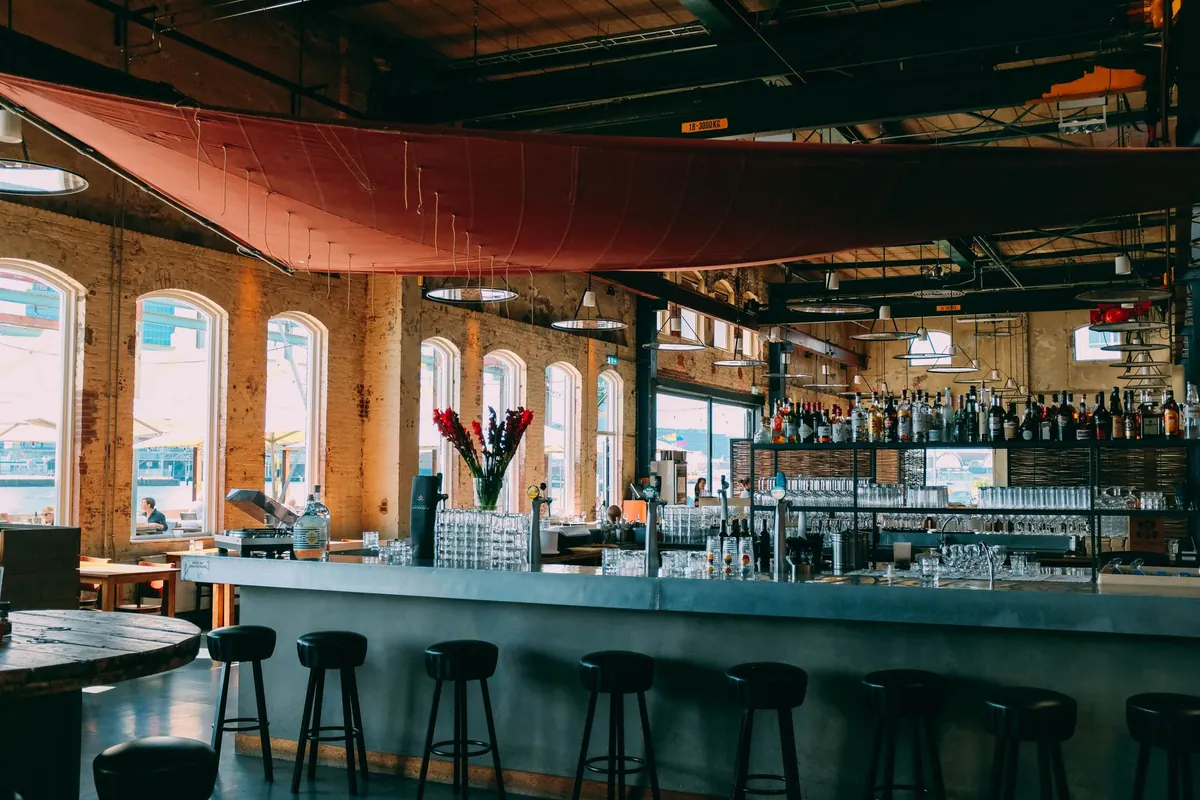
What is seen raises the spend,
what is scheduled fills the lull
A bar does not lift takings on more customers alone: it lifts them on the average spend, the filled off-peak hours and the dead sports nights.
People order what they see. A laminated card hides what has the best margin. A screen showing the premium gin, the wine by the glass or the house cocktail with a good photo lifts the average spend without raising prices. The customer orders the extra plate or the better glass because they saw it, not because the bartender reeled it off.
The automatic happy hour fills the off-peak lull. The 6–8pm after-work is the slot that sits empty between lunch and dinner. You schedule happy hour by time and the screen shows it on its own on the frontage and the bar; whoever passes at that hour comes in. The same screen switches to the dinner menu at 9pm without you touching anything.
Sport fills the dead nights, if it is announced. A Tuesday with a match is a full Tuesday, but only if people know. Announcing the week's fixtures in advance on the frontage pulls in those looking for somewhere to watch. Meanwhile the allergens run per small plate on screen: you meet the rules without loose printouts or the bartender reciting them from memory.
To be straight with you: showing the matches needs your own sports subscription (Sky Sports, TNT Sports) and the venue licence; Digisini does not give access to those feeds. You switch the TV between the match and the Digisini menu, and your content runs on the other screens. We are the bar's screen layer, not a feed provider.
« What have you got on ? »
Asked by the same regulars, every visit, because the answer genuinely changed since Thursday
In a bar with rotating lines the range is not a fixed list — it changes when a cask runs out, which is rarely on a schedule. So the question gets asked at the counter, one customer at a time, and answered by whoever is pouring, from memory, over the noise. It is the single most repeated conversation of the week and the only one where the information was already known ten minutes before the doors opened.
What sells is not the list, it is the two words after each name. « Pale, 4.2% » tells a hesitant customer more than the brewery does, because most people ordering are not choosing a brand — they are choosing between something light and something they will regret at half past ten. A board of six names alone reads as a wall of unfamiliar words; the same six with a style and a strength beside them turns into a decision that can be made from across the room, before reaching the bar.
The second line is the one that brings people back, and almost nobody puts it up: what is next. « On tomorrow » does something a printed list can never do — it gives a regular a reason to return on a specific day rather than a vague intention to come back sometime. For a bar built on the same forty faces, that is not marketing, it is scheduling their week. And it costs one line of typing by whoever changes the barrel.
There is a practical honesty to keep, though: take it down the moment it runs out. A screen still showing something that went off at nine turns a good system into a small insult — the customer orders it, is told no, and now knows the sign is decorative. The workable habit is that the person who changes the line changes the screen at the same time, from the phone, standing at the pump. If that habit will not hold in your bar, list only the permanent lines and leave the rotating ones on the chalkboard, where being out of date costs nothing.
And a limit worth stating plainly: we have no connection to your till or your cellar, so nothing here updates itself. Anyone promising a beer list that maintains itself is either selling you an integration with your stock system or hoping you will not check. This is a screen that shows what somebody typed — the value is in how quickly it can be retyped, not in it knowing anything.
Common questions from
bar and pub owners
Your first bar screen,
live this evening.
Free first screen forever. No credit card. No installer. Offline 48h.
Start free →14-day trial on paid plans, no card · Cancel anytime
Take the button via email
We'll send a 1-click link to create your account whenever you want. No password, no card, no commitment. Your first screen FREE forever.
No spam. Just the link — you decide when to come in.